
An English translation of this article is provided at the bottom of the page.
はじめましての人はハジメマシテ。
そうじゃない人はコンニチハ。
在野研究者(independent scholar)の宮崎稔也と申します。
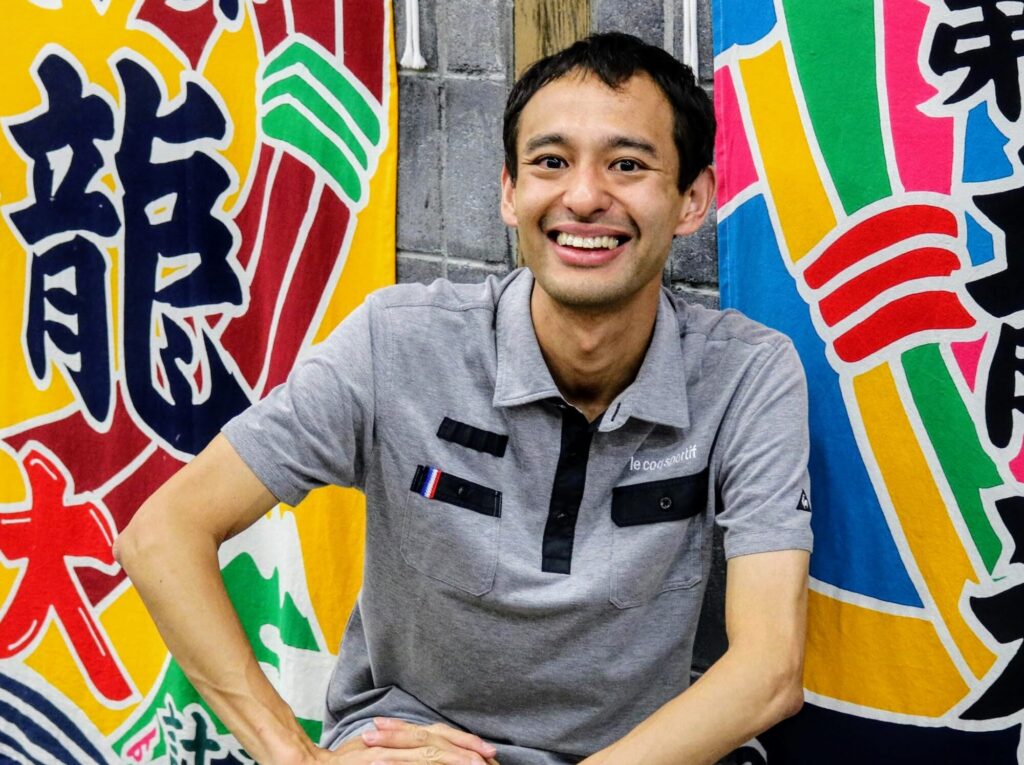
本ブログは、私の日々の在野研究を綴ったブログになります。
以前は、noteにて発信を行っていました。
noteはこちら。
以下は、一介の在野研究者の誕生秘話となります。 最後までごゆるりとお付き合いくださいませ。
「在野研究者」が生まれるまで
『勉強の価値』を読んで、個人研究をスタート
以前の私は、「トシヤ(愉〜more)」というハンドルネームで、「生きづらさを抱えて活動する同志と愉しむ」をテーマに、あれこれと活動していました。
そんな中、『勉強の価値』という1冊の本と出会い、「個人研究」という活動を新たに始めました。
本当にどうでも良いこと、小さなこと、誰も目を向けないようなことをテーマにして、徹底的に調べたり、あるいは試したりする、というのが、個人研究である
「勉強の価値」(森博嗣著)p.222
上記の一文に触発され、noteにてマガジン「トシヤの個人研究日誌」を立ち上げたのでした。 なお、2022年7月25日をもって、上記マガジンは本ブログに順次移行していきます。
ようやく個人研究のテーマが決まる
マガジンを立ち上げたのはいいものの、研究テーマが中々見つけられず、最初の数カ月は更新できずじまいでした。
ようやく、「大学院修士課程時代に取り組んでいた『地域レベルでの循環型社会の形成度合いを定量的に分析すること』に再び取り組んではどうか?」という考えに至り、研究テーマを明確にすることができました。
また、大学院時代は数式や関数を手で入力するといった、長時間をかけての手作業で研究を行っていました。
その反省を活かし、個人研究では、Excel VBA、NumpyやPandasといったPythonのライブラリを利用することで、自動化・省力化を図るとともに、より踏み込んだデータの分析を目指すことにしました。
independent scholarという概念との出会い
並行して、個人研究といういわば「独学」を行うにあたって参考になればと思い、地元の図書館で「独学」に関する書籍を読むようになりました。
そうした折、『在野研究ビギナーズ――勝手にはじめる研究生活』で、"independent scholar"という概念に出会い、衝撃を受けました。
英語には independent scholarという呼び方があって、学術誌の論文著書の肩書としてしばしば目にしていた
『在野研究ビギナーズ 勝手にはじめる研究生活」p.51
そうか! こういった研究スタイルも「アリ」なんだ!
実は私、大学院修士課程を修了後、新卒での就職を経て、大学院博士後期課程に復学した経緯があります。
しかし、「3年で学位を取得しなければ」という(自分で自分にかけた)プレッシャーや持病(うつ病)の悪化もあり、学位取得は叶わず、結局中途退学することになってしまいました。
それでも、研究に対する想いは衰えず、事ある毎に「また大学院に戻って研究するんだ」と密かに野望を燃やしておりました。
しかし、上記の本に出会って、「大学に属さなくても研究はできる、しかも自分のペースで」ということに気づきました。
私は決めました。 これからは、independent scholarを目指そうと
私の考えでは、independent scholar = 在野研究者 ではありません。 在野研究者の中でも、indepedent、つまり、「自立」を果たした在野研究者が、independent scholarと名乗ることができるではないかと考えています。
なので、今は到底、independent scholarを名乗ることはできないと判断し、自身のハンドルネームを「トシヤ(在野研究者)に変えることにしたのでした。
independent scholarを夢見て
"independent"には、「自立」という意味がありますが、その「自立」の中でも、私が重視しているのが「経済的自立」です。
「知的サイドハッスル」で経済的自立をめざす
「経済的自立」と書きましたが、それは何も「アカデミックなポストに就く」ことではありません。
ここでは、「個人研究に必要な専門書やガジェットの購入を家計から捻出せずに、個人研究に付随する活動から必要な資金を賄うことができるようになる」といった意味を指します。
研究者でブロガーでもある堀正岳は、著書『知的生活の設計―「10年後の自分」を支える83の戦略』の中で「知的サイドハッスル」という概念を紹介しています。
そこで考慮に入れたいのが、本業と並行して行う副業、欧米で「サイドハッスル」と呼ばれているライフスタイルです。 (中略) ここでいうサイドハッスルは、もっと努力して、自由時間をすり減らして収入を増やすものではありません。むしろ、すでに持っているスキルや情報を活かすことで、実践することが苦ではない活動を収入に変えるための発想を指しています。 知的生活の文脈でいうならば、あなたの知的積み上げの活動にそれ自身を一部なりとも支えてもらう収入源のことを指します。いうなれば「知的サイドハッスル」といってもいいものです。
堀正岳著「知的生活の設計―「10年後の自分」を支える83の戦略」
私の場合、「個人研究に付随する活動」、つまり、
- 依頼を受けてのデータ分析業務(←個人研究で培ったスキルを活かせる!)
- 雑誌やウェブメディアへの寄稿
- 書籍の執筆
などといった活動から、個人研究に必要な資金を、家計から捻出せずにまかなえるようになることが目標になります。
インプット
また、independent scholarになるために、以下のようなことにも取り組んでいます。
主にインプットとして取り組んでいるのが、数学と英語です。
マテリアルフロー分析に必要な数学、特に「解析学」や「最適化数学」といった分野について、毎日専門書を読み込んでいます。
英語に関しては、『「超」英語独学法 (NHK出版新書 649)』を参考に、「聞くこと」と丸暗記に重点を置いて日々のトレーニングに取り入れることにしました。
仕事で使うのであれば、「話すこと」でなく「聞くこと」の訓練に注力する。また「日常会話」でなく「専門用語」を、「翻訳」ではなく「丸暗記」の技術を習得すべきだ。
『「超」英語独学法」』amazon紹介ページより
まず、目標を「将来、海外の研究者と英語でディスカッションができるようになる」ことに据えました。
「聞くこと」については、専門分野の論文を読み上げソフトに読み上げさせることでリスニングの教材にして、毎日車内で聞くようにしています。
また、「丸暗記」については、リスニング教材化した論文の暗唱を行っています。
アウトプット
アウトプットとして、日々の研究の進捗について、本ブログを発信しています。 更新頻度は週2回をベースにしようと思っています。
同志を絶賛大募集♪
Keywords
私の専門分野のキーワードを挙げると、以下のようになります。
- マテリアルフロー分析/Material flow analysis;MFA)
- 物流センサス/Physical distribution census date
- 産業連関表/Input-output table:I-O table
- 環境効率評価指標/Environmental indicator
- 循環型社会/Circular society
一緒にやりませんか?
上記のキーワードにピンときた方、ぜひ一緒に研究しませんか? ディープなマテリアルフロー分析の世界へ、いざ!
また、個人研究やindependent scholarという研究スタイルに興味のある方、トシヤとゆる〜くつながりませんか?
ともに「同志」として切磋琢磨し、刺激し合えればと思います。
Nice to meet you, and Hello again!
Nice to meet you if this is your first time here. For everyone else, hello again! My name is Toshiya Miyazaki, and I am an independent scholar.
This blog serves as a record of my daily life and activities as an independent researcher. Below is the "origin story" of how I became an independent scholar. I hope you enjoy the read.
The Birth of Toshiya Miyazaki as an Independent Scholar
Starting Personal Research after reading "The Value of Study"
Previously, I was active under the handle "Toshiya (Yu-more)," with the theme of "enjoying life together with comrades who face their own struggles."
During that time, I encountered a book titled The Value of Study (written by Hiroshi Mori), which inspired me to start a new activity: "Personal Research."
"Personal research is about taking themes that are truly trivial, small, or overlooked by others, and thoroughly investigating or testing them." — The Value of Study (Hiroshi Mori), p. 222
Inspired by this passage, I launched a magazine titled "Toshiya’s Personal Research Journal" on note. As of July 25, 2022, I am gradually migrating that magazine to this blog.
Finding a Research Theme at Last
Although I had launched the magazine, I initially struggled to find a research theme and couldn't update it for the first few months.
Finally, I reached a conclusion: "Why not return to what I worked on during my Master’s program—quantitatively analyzing the degree of formation of a circular society at the regional level?" With this, my research theme became clear.
Back in graduate school, my research involved manual labor, like entering formulas and functions by hand for long hours. Learning from that experience, I decided to aim for more in-depth data analysis while pursuing automation and labor-saving by utilizing Python libraries such as NumPy and Pandas, along with Excel VBA.
Encountering the Concept of the "Independent Scholar"
While engaging in "self-study" for my personal research, I began reading books about self-education at my local library for inspiration.
That was when I encountered the book Independent Research Beginners: Starting a Research Life on Your Own Initiative and was struck by the concept of the "Independent Scholar."
"In English, there is a term called 'independent scholar,' and I often saw it used as an affiliation for authors of papers in academic journals." — Independent Research Beginners, p. 51
I realized then: "This style of research is actually a valid option!"
Truth be told, after completing my Master’s degree and working for a while, I returned to a doctoral program. However, due to the self-imposed pressure to "get a degree in three years" and the worsening of my chronic depression, I was unable to obtain the degree and eventually withdrew from the program.
Even so, my passion for research never faded. I secretly harbored the ambition to return to graduate school someday. But after encountering the book mentioned above, I realized that "you can conduct research even without belonging to a university—and at your own pace."
I made up my mind: from now on, I will aim to be an independent scholar.
In my view, "Independent Researcher (Zaiya-kenkyusha)" and "Independent Scholar" are not exactly the same. I believe that among independent researchers, only those who have achieved true "independence" can call themselves "Independent Scholars."
Since I am not yet at that level, I decided to change my handle to "Toshiya (Independent Researcher)" for now.
Dreaming of Becoming an Independent Scholar
While "independent" means "standing on one's own," the type of independence I value most is "economic independence."
Aiming for Economic Independence through "Intellectual Side Hustles"
By "economic independence," I don’t mean "securing an academic post." Instead, I mean being able to cover the costs of specialized books and gadgets needed for my research through activities related to the research itself, rather than drawing from the household budget.
Researcher and blogger Masatake Hori introduced the concept of the "Intellectual Side Hustle" in his book Design of Intellectual Life: 83 Strategies to Support Your 'Self in 10 Years'.
"One lifestyle to consider is the side hustle—a side job done alongside your main career... The side hustle here is not about working harder or sacrificing free time to increase income. Rather, it refers to ideas for turning activities you already have the skills and information for—activities that are not a struggle to practice—into income. In the context of intellectual life, it means a source of income where your intellectual accumulation activities support themselves, at least in part. You could call this an 'Intellectual Side Hustle'." — Design of Intellectual Life (Masatake Hori)
In my case, my goal is to cover my research expenses through "activities incidental to personal research," such as:
- Data analysis work on request (leveraging skills cultivated through research!)
- Contributions to magazines and web media
- Writing books
Input
To become an independent scholar, I am also working on the following: My main "input" focus is on Mathematics and English.
I read specialized books every day regarding the mathematics necessary for Material Flow Analysis (MFA), particularly fields like Calculus (Analysis) and Optimization Mathematics.
Regarding English, following the advice in The "Super" Self-Study Method for English, I have incorporated training into my daily routine with a focus on "listening" and "rote memorization."
"If you use it for work, focus on training your 'listening' rather than 'speaking.' Also, you should master 'technical terms' rather than 'daily conversation,' and the technique of 'rote memorization' rather than 'translation'." — The "Super" Self-Study Method for English (Yukio Noguchi)
I have set my goal as "being able to engage in discussions with overseas researchers in English in the future." For listening, I use text-to-speech software to read academic papers in my field, creating my own listening materials to hear in the car every day. I also practice reciting these papers for rote memorization.
Output
For my "output," I use this blog to share the progress of my daily research. I aim to update it about twice a week.
Looking for Fellow Comrades!
Keywords
The keywords for my specialized fields are as follows:
- Material Flow Analysis (MFA)
- Physical Distribution Census Data
- Input-Output Table (I-O Table)
- Environmental Efficiency Indicators
- Circular Society
Why not join me?
If these keywords resonate with you, why not conduct research together? Let's dive into the deep world of Material Flow Analysis!
Also, if you are interested in the lifestyle of "personal research" or being an "independent scholar," why not connect with me? I would love to inspire and challenge each other as fellow comrades.